Goju Ryu Okinawa
Originating in Okinawa, Karate-Do ("The Way of the Empty Hand") is a classical martial art forged through physical discipline, technical perfection, and character development.
Karate was not originally developed in mainland Japan. It originated in the Okinawa islands (Ryukyu Kingdom) as a blend of native Okinawan fighting systems (Te) and Chinese martial arts (Kung Fu).
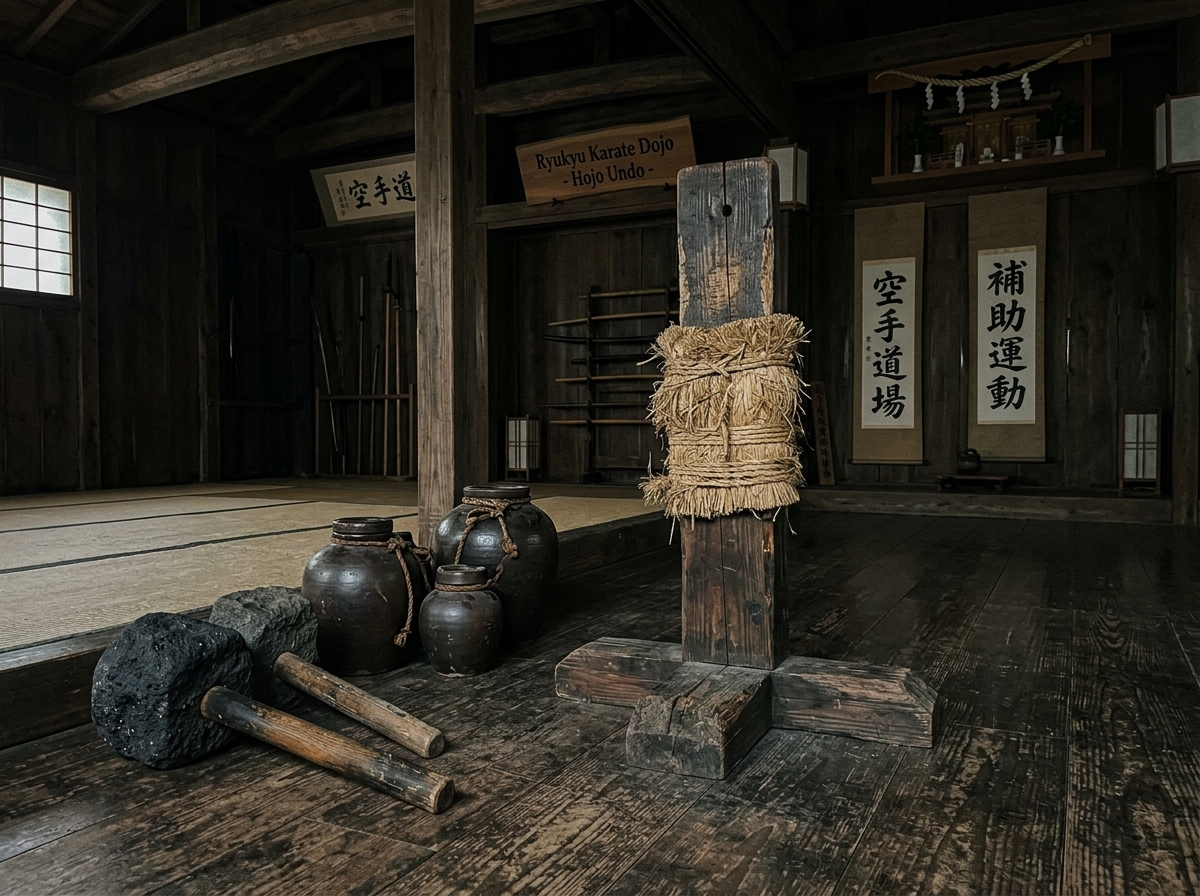
For centuries, weapons were banned in Okinawa by occupying forces. This led the locals to refine a highly effective system of empty-handed combat for self-defense.
In the early 20th century, masters like Gichin Funakoshi brought the art to mainland Japan. The name was changed from meaning "Chinese Hand" to "Empty Hand" (Kara = Empty, Te = Hand), emphasizing that a practitioner needs no weapons.
While there are dozens of offshoots, traditional karate is largely anchored by four foundational styles, each with its own tactical philosophy:
 LINEAR POWER
Uses long, deep stances and linear, powerful movements. It focuses heavily on maximizing distance and generating maximum power in a single strike.
 HARD & SOFT
"Goju" means "hard-soft." It combines hard, linear punches with soft, circular blocking and close-range grappling. Places a huge emphasis on deep breathing (Sanchin).
 FLUID EVASION
Blends traditional karate with native Japanese Jujutsu. It focuses on body shifting (*Tai Sabaki*) to evade attacks rather than blocking them head-on, prioritizing speed and efficiency.
 ARTISTIC KATAS
A highly artistic style that incorporates a massive library of katas (over 50). It uses fast, fluid movements and strikes from varied angles.
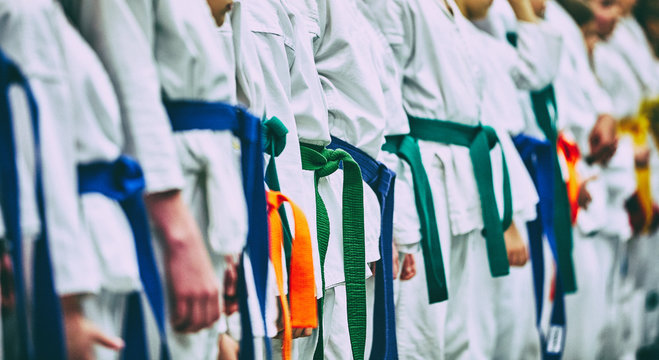
Progress in karate is tracked using a colored belt system. While exact color orders vary slightly by school, they follow a standard structure:
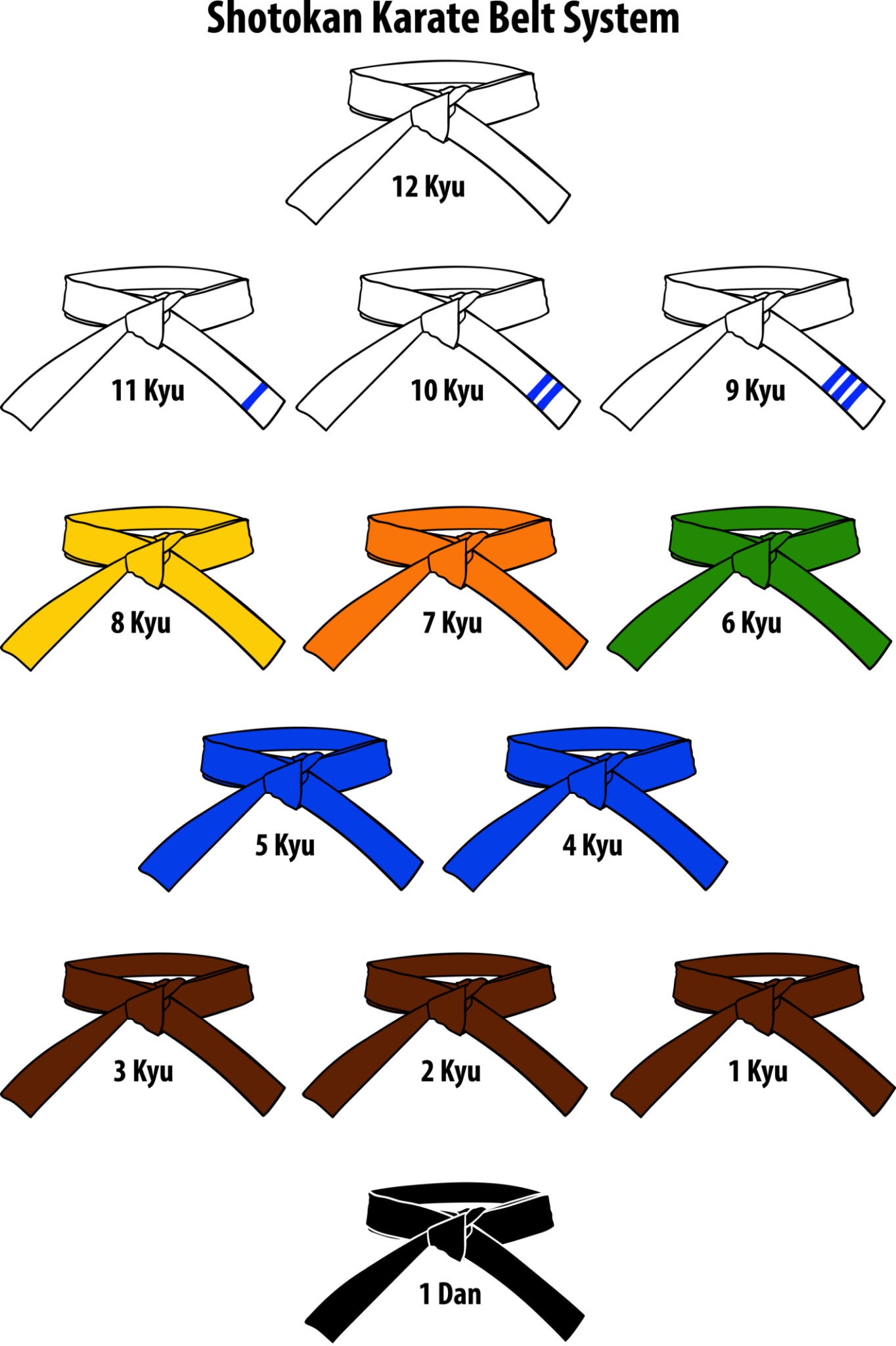
Students start as a white belt and progress backward through Kyū (grades), usually starting at 10th or 9th Kyū and working down to 1st Kyū (the highest student rank, usually a brown belt).
Once a student achieves a black belt, they enter the Dan ranks. Unlike student ranks, Dan ranks count upward from 1st Dan (Shodan) to 10th Dan (Judan).
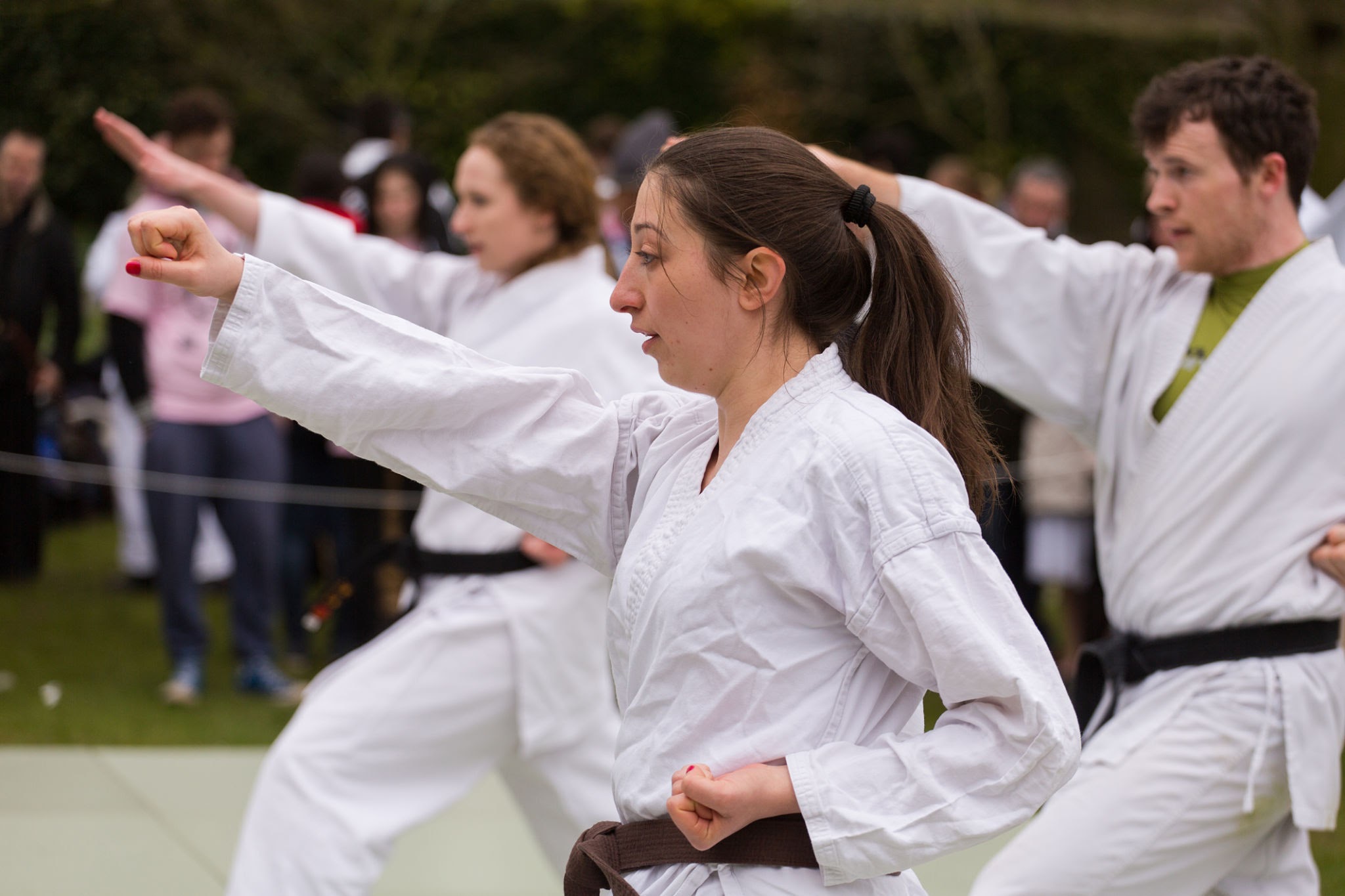
Repetition of punches (*Tsuki*), blocks (*Uke*), and rooted stances (*Dachi*) to build power and technique.
Pre-arranged sequences of defense and counter-attack against imaginary opponents.
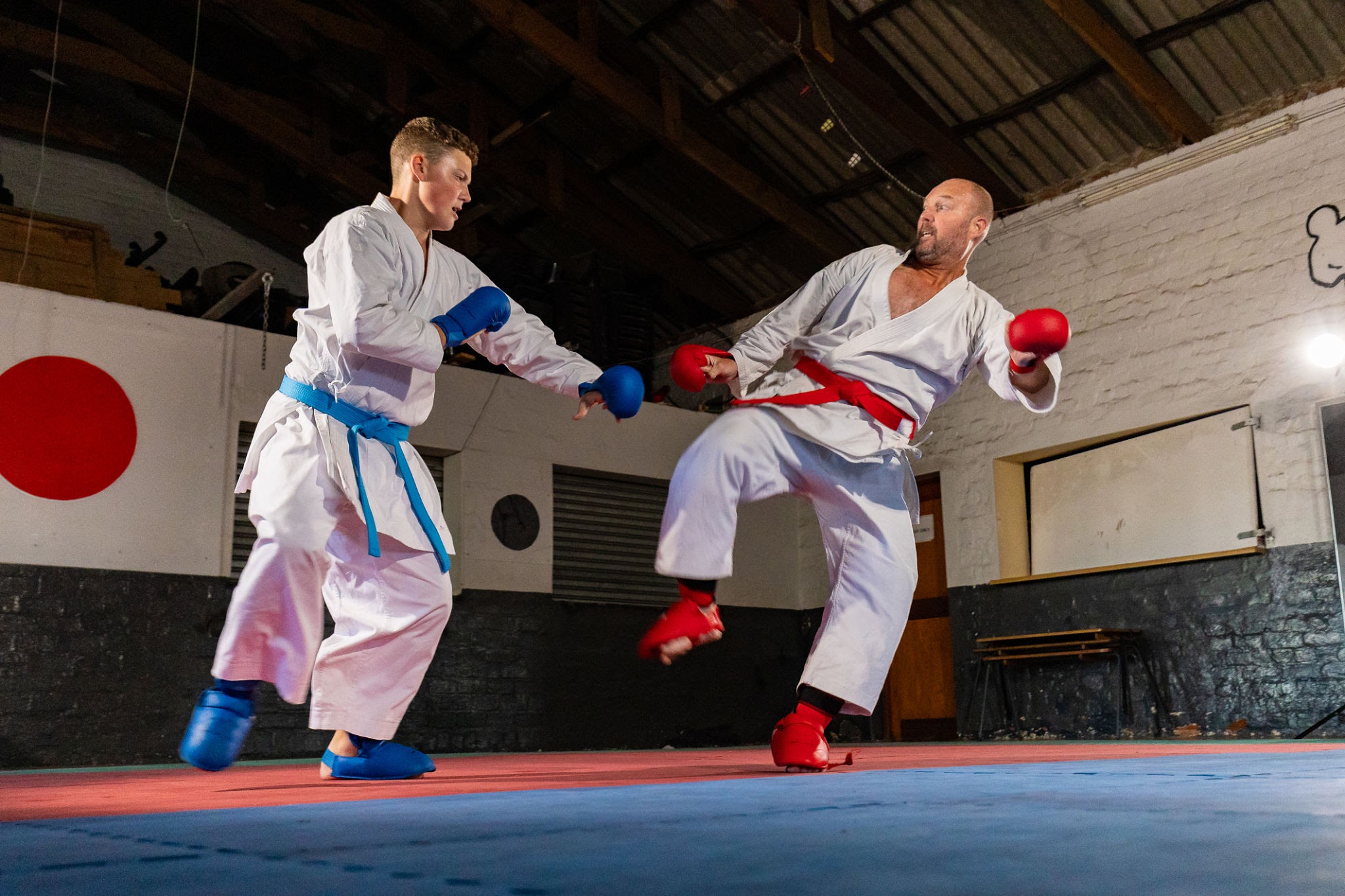
Controlled sparring against a partner to hone real-time timing, distancing, and reflexes.
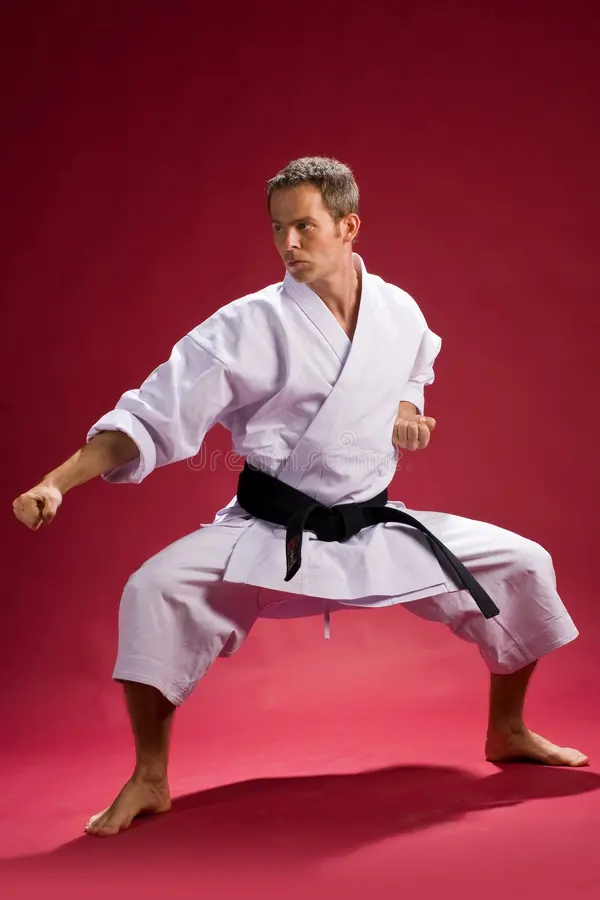
Provide balance, stability, mobility, and power generation from the ground up (such as the forward stance or horse stance)
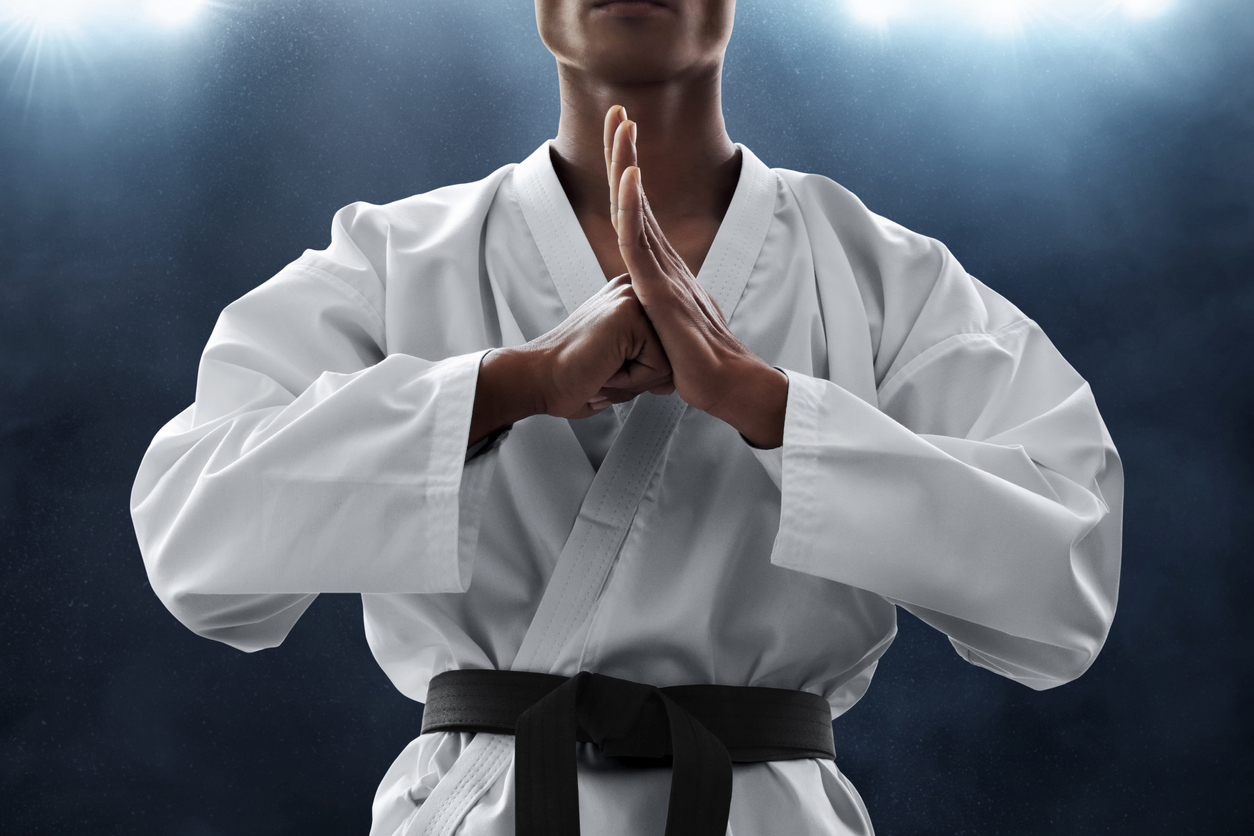
Understanding target zones—Jodan (upper/head), Chudan (middle/chest), and Gedan (lower/abdomen and legs)—for accurate attack and defense
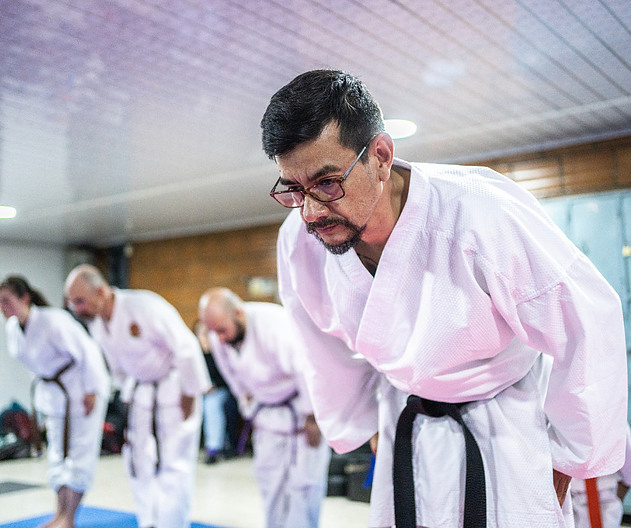
Traditional karate places equal emphasis on mental focus, respect, humility, and self-control over brute strength
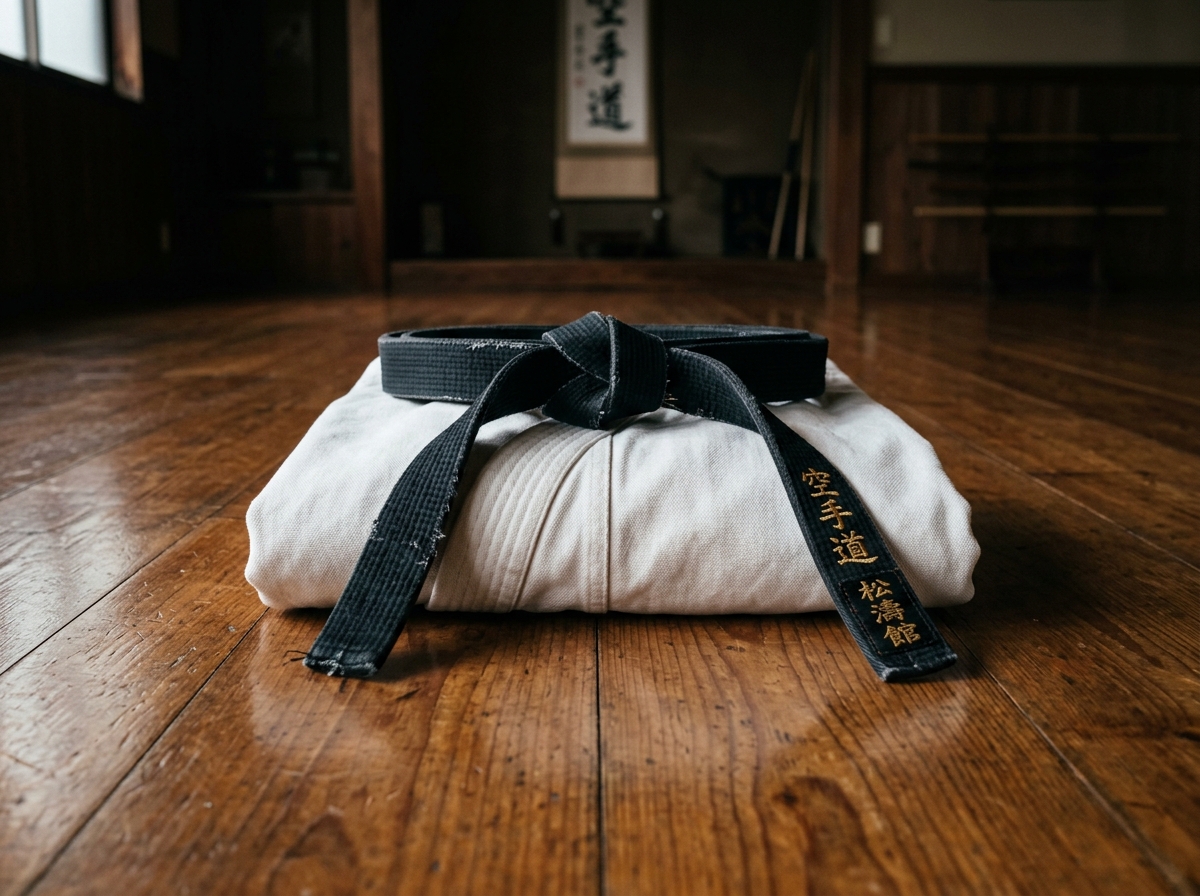
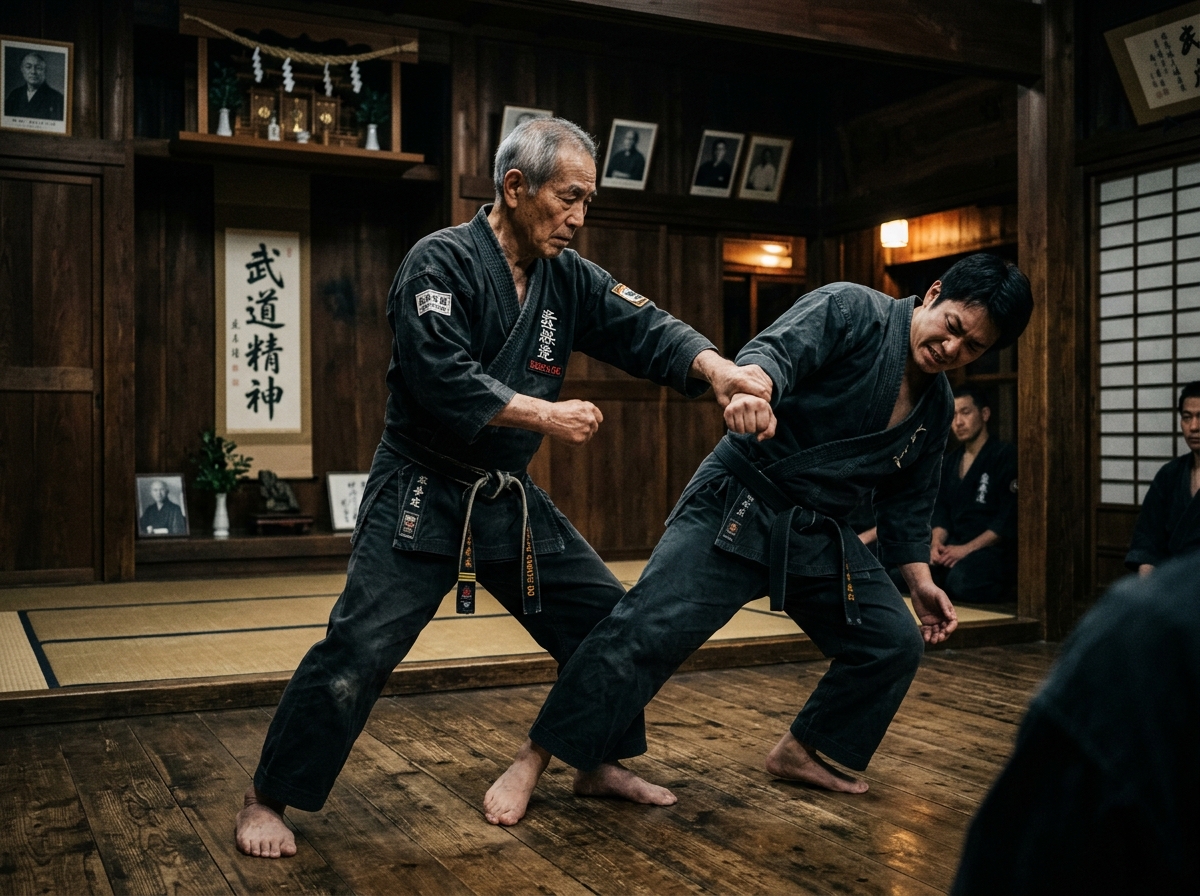
Every movement within classical Katas contains practical combat applications (*Bunkai*), including joint locks (*Tuite*) and unbalancing throws.
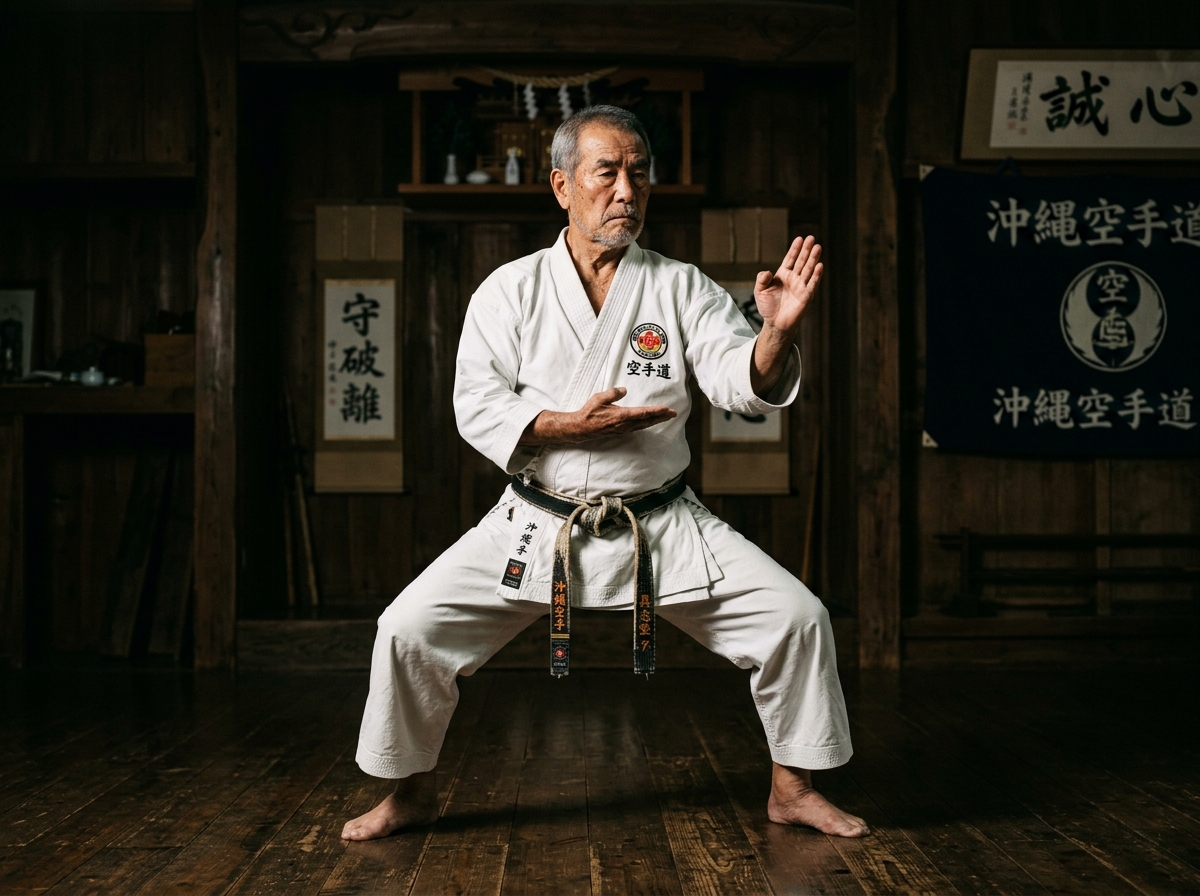
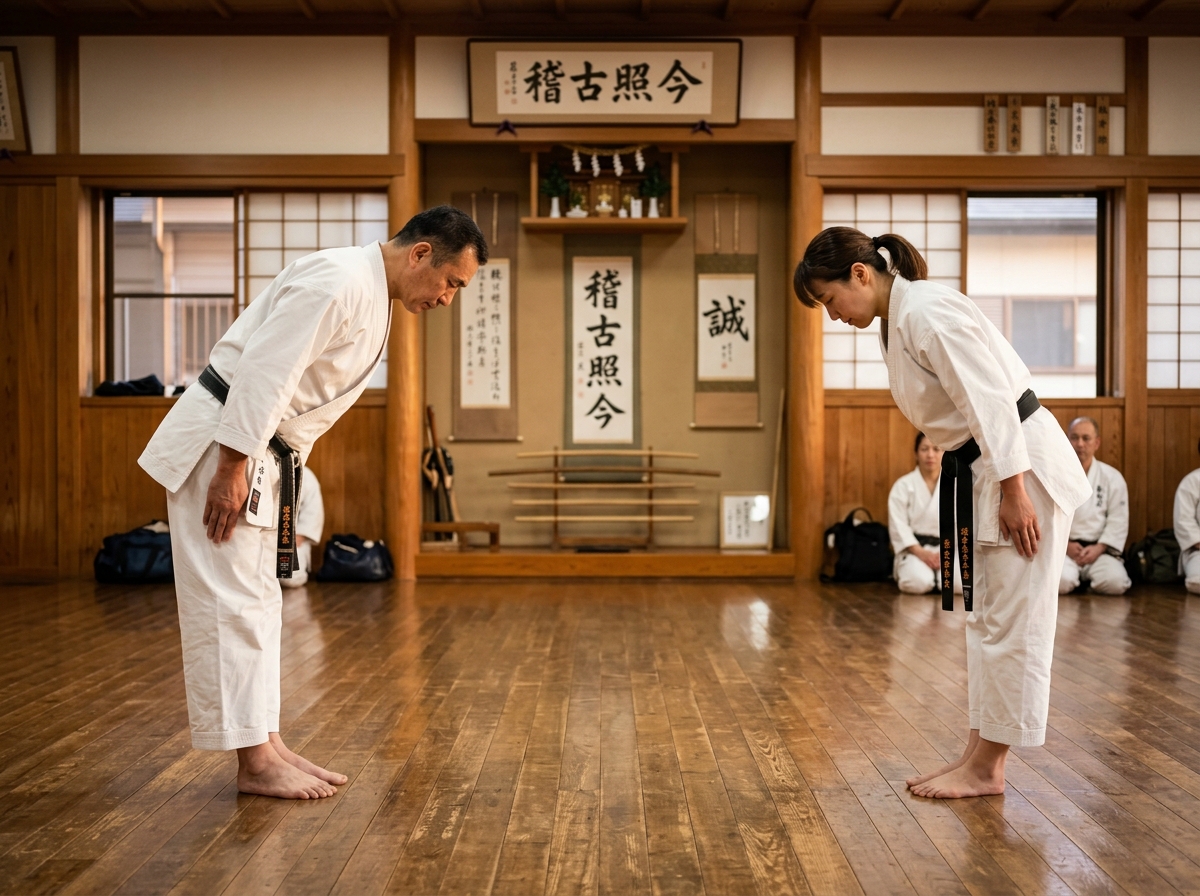
Martial arts practice begins and ends with *Rei* (the respectful bow). True karateka cultivate humility and self-control.